Recently, during the establishment of the "Beijing Key Laboratory of Frontier Technologies and Intelligentization in Magnetic Confinement Fusion" led by Tsinghua University, STARTORUS FUSION demonstrated exceptional execution. Within just three months, the company successfully completed a major upgrade of the laboratory's core device—SUNIST—as a comprehensive "turnkey project." This achievement provides robust support for enhancing the laboratory's research and teaching capabilities.
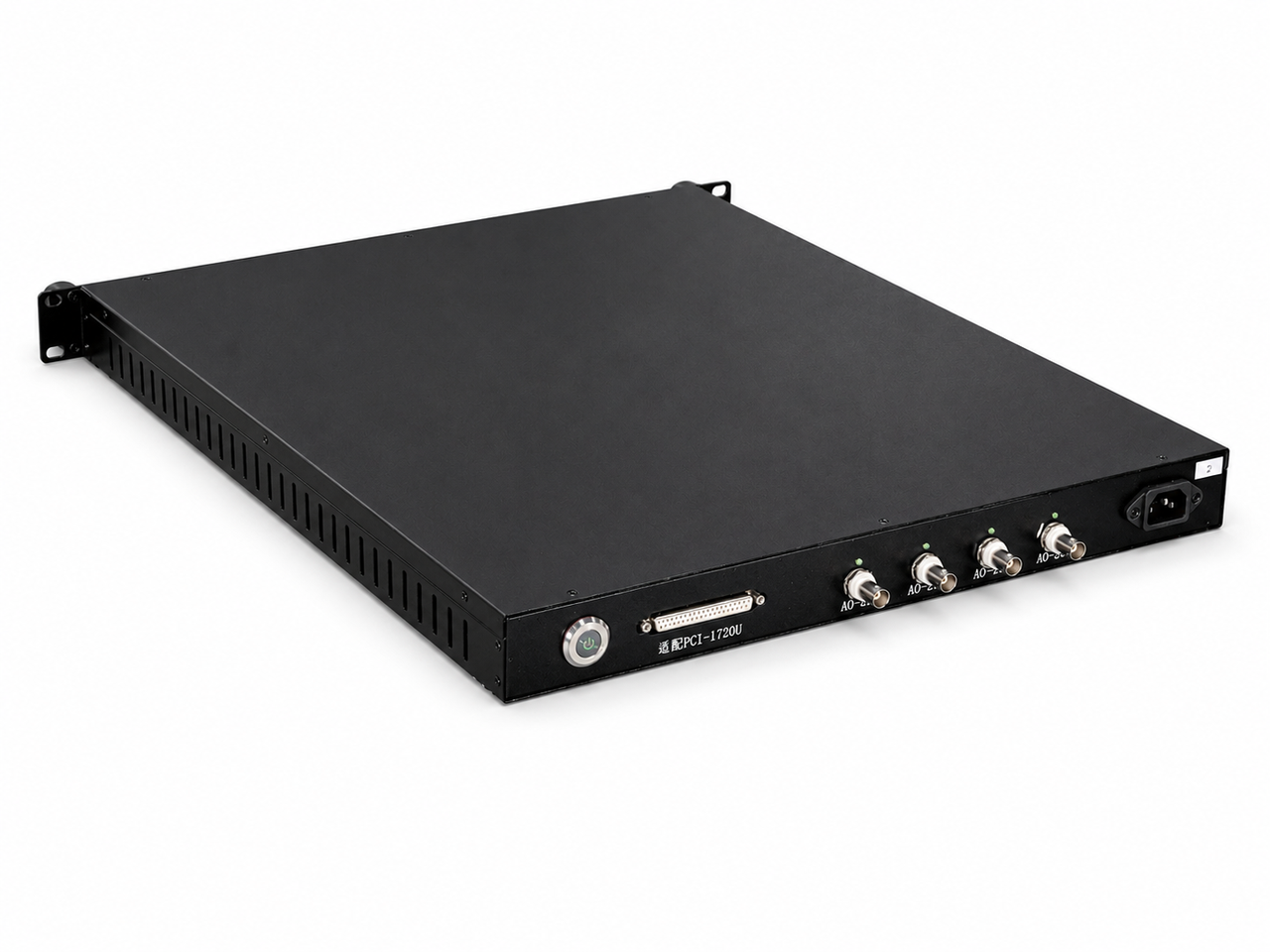
Facing the challenge of a tight schedule and demanding objectives, the STARTORUS FUSION team adopted a technical implementation strategy centered on "productized packaging." Instead of following the traditional approach of repairing outdated subsystems individually, the team treated the SUNIST as a bare system consisting only of the vacuum chamber and magnets. Leveraging STARTORUS FUSION's standardized spherical tokamak technology framework, they completely redesigned and standardized three critical subsystems: the magnet power supply system, the fusion fuel precision injection system, and the integrated control and data acquisition system.
To meet the laboratory's urgent need for upgrades, the STARTORUS FUSION project team devised a compact timeline and achieved it with precision. From conceptual design to delivery and acceptance, the entire process took only three months. Within this period, the design, manufacturing, and in-house debugging of the three core subsystems were completed in two months and twenty days. Furthermore, it took just one week from the arrival of the equipment at the laboratory at Tsinghua University to the completion of installation, full-system integration, and final handover. This three-month "turnkey" achievement not only demonstrates the "STARTORUS speed" in efficiently upgrading complex fusion devices but also secures valuable research time for the key laboratory. The upgraded SUNIST was ready for use immediately upon completion.
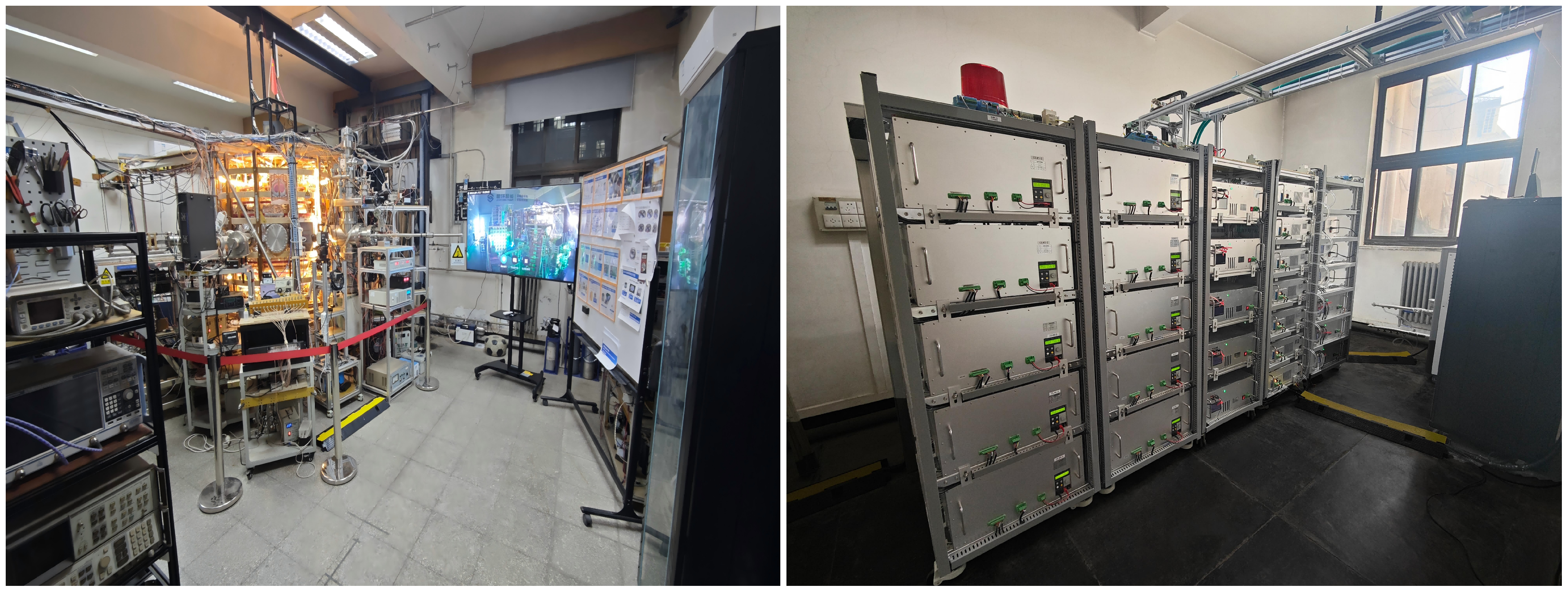
Left: Upgraded SUNIST deviceRight: Upgraded power supply system
Following the upgrade, the SUNIST has been operational as the core experimental platform of the Beijing Key Laboratory of Frontier Technologies and Intelligentization in Magnetic Confinement Fusion. Its operational stability and maintainability have significantly improved compared to before, meeting the laboratory's demand for high-frequency experimental operations. It provides a stable engineering foundation for research in areas such as plasma physics and the intersection of artificial intelligence with fusion technology. Additionally, this project validated the engineering feasibility of the "productized packaging" model in upgrading complex fusion devices. Core technological modules applied in the project, including power systems, digitalized control, and high-precision signal acquisition and processing, originate from STARTORUS FUSION's ongoing independent R&D efforts in its pursuit of commercial fusion, highlighting the company's deep technical expertise and implementation capabilities in fusion engineering.
STARTORUS FUSION firmly believes that the realization of commercial fusion energy requires both continuous breakthroughs in foundational research and reliable support from robust engineering capabilities. We are confident that this collaboration with Tsinghua University will effectively contribute to the research and teaching endeavors of the Beijing Key Laboratory of Frontier Technologies and Intelligentization in Magnetic Confinement Fusion, advancing the development of fusion energy.