Startorus Fusion
This is the world’s first full-scale high-temperature superconducting toroidal field magnet developed for spherical tokamak fusion reactor. Its engineering current density including the coil casing exceeds 40 A/mm², while the winding current density reaches 375 A/mm². Multiple rounds of testing have verified its stable performance.
Recently, Startorus Fusion has successfully completed energization tests on its self-developed full-scale toroidal field magnet at a cryogenic temperature of 20K (-253.15°C), with the magnet stably energized up to 4.5 kA. Standing around 4 meters tall and 2 meters wide, the magnet features dimensions identical to those required for a fusion reactor apparatus, rather than being a scaled-down prototype. As the world’s first full-scale high-temperature superconducting toroidal field magnet designed for spherical tokamak fusion reactors, this achievement marks a crucial leap forward for Startorus Fusion in the engineering development of reactor-grade high-temperature superconducting magnets, and lays a solid foundation for the development of CTRFR-1 (Startorus No.1), its next-generation spherical tokamak facility.
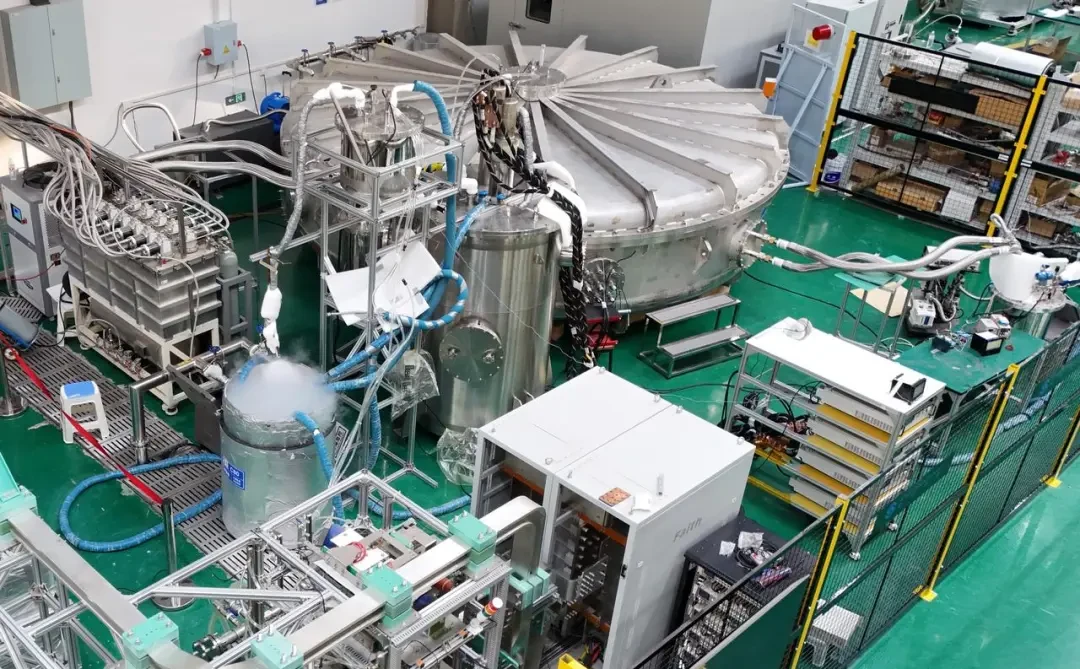
FIGURE: On-site Testing of the Full-scale Toroidal Field Magnet
Ultra-High Engineering Current Density: Core Performance Indicator of A Reactor-grade Fusion Magnet
For the spherical tokamaks, the central column suffers from severe spatial constraints, imposing far higher requirements on the engineering current density of magnets compared with conventional tokamaks. This magnet is tailor-made to accommodate such extreme operating conditions:
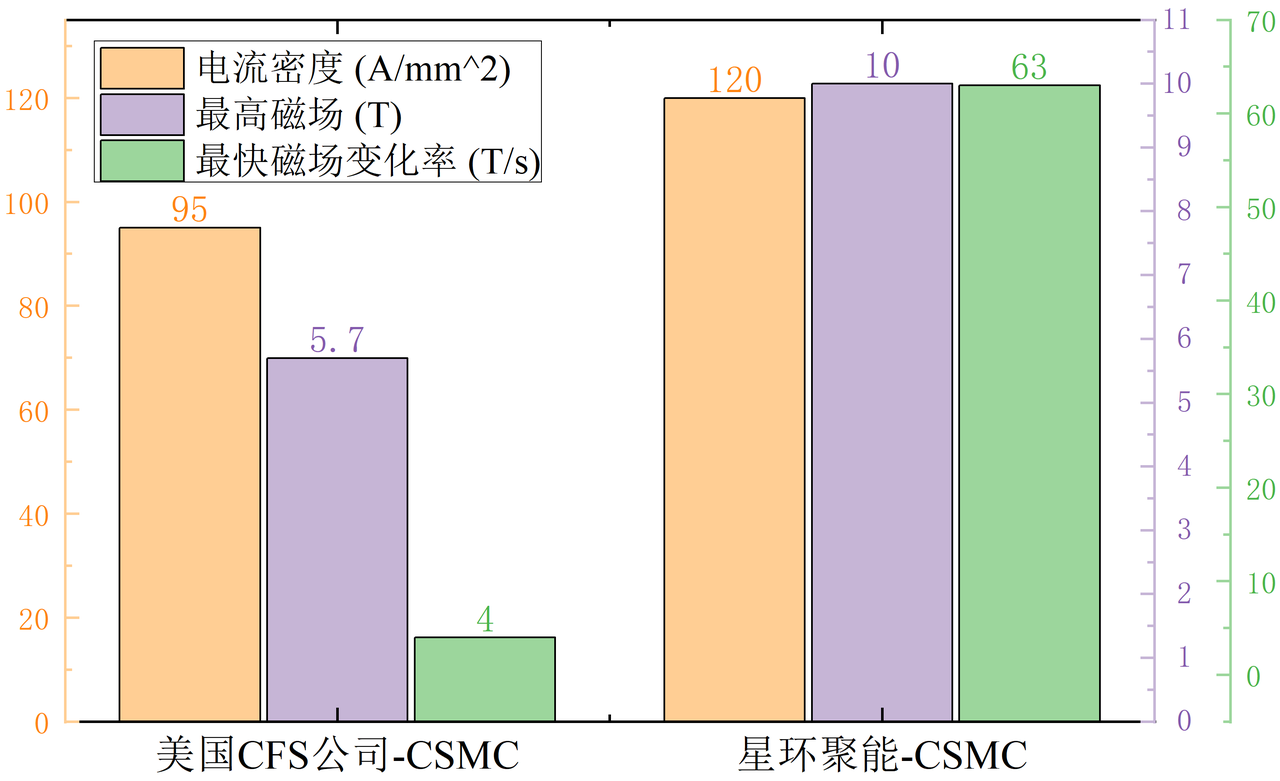
The engineering current density including the coil casing exceeds 40 A/mm². For reference, the publicly disclosed corresponding figure for the International Thermonuclear Experimental Reactor (ITER) stands at only approximately 10 A/mm².
The winding current density reaches 375 A/mm². According to published literature, the winding engineering current density of the toroidal field model magnet for CFS’ SPARC is around 153 A/mm². Startorus Fusion’s figure is roughly 2.4 times, operating at the same 20K temperature range;
During this test, the magnet was successfully energized to 4.5kA with a current margin exceeding 60%, delivering ample operating allowance. The equivalent central magnetic field of the apparatus hit 3.06 T, and the peak equivalent magnetic field reached 11.1 T. All key performance indicators were in line with design expectations.
More importantly, the magnet maintained stable performance throughout repeated tests, fully verifying the reliability of its design, manufacturing processes and operational performance.
Pursuing Ultra-High Current Density Instead of Extreme Magnetic Field: Technical Path Chosen for Spherical Tokamaks
It should be clarified that the technical characteristics of spherical tokamaks mean they do not pursue extremely high magnetic fields, but rather ultra-high engineering current density. This is the essential distinction between the spherical tokamak approach and conventional tokamaks as well as high-field tokamaks. On the premise of sufficient plasma confinement performance, higher current density enables a more compact magnet layout and lower stored magnetic energy. This in turn mitigates risks caused by quench events and expands operational safety margins. The magnet developed by Startorus Fusion serves as a solid engineering embodiment of the advantages inherent to this technical route.
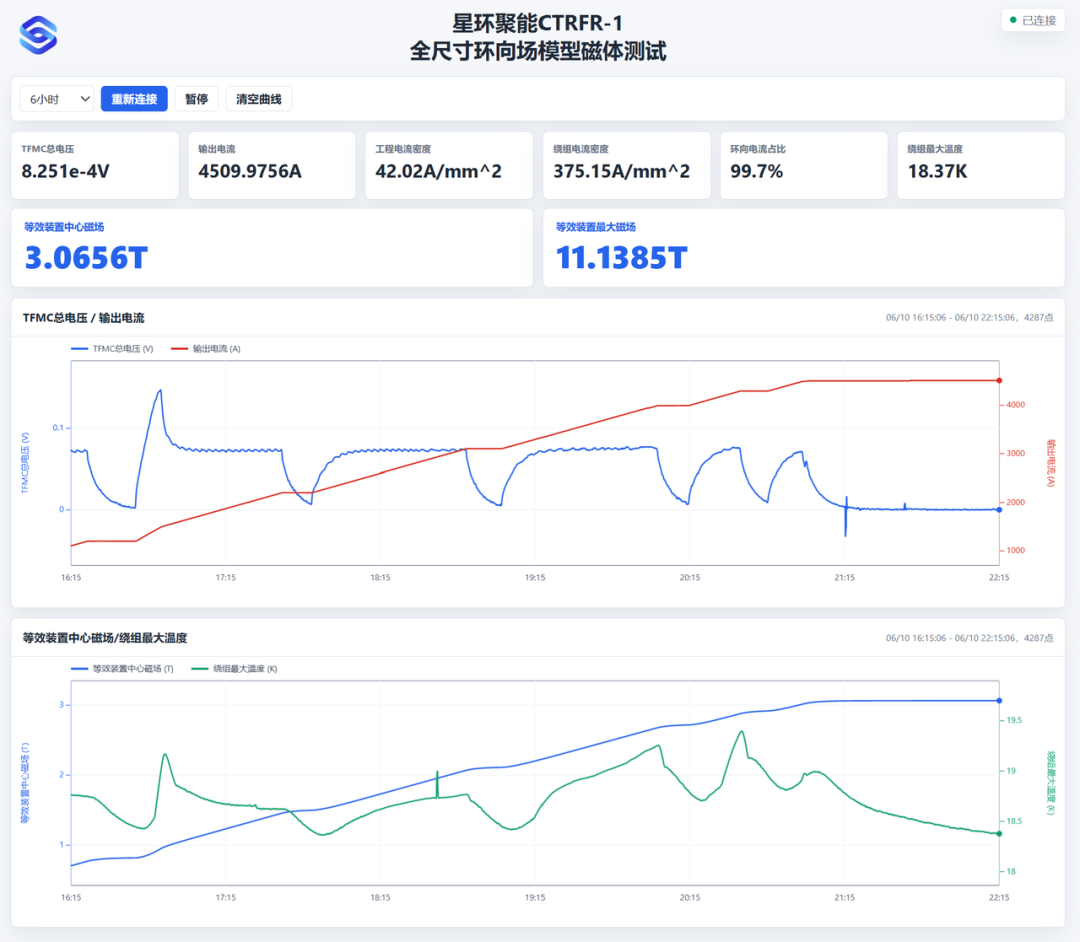
FIGURE: Test Results
From Superconducting Tape to Complete Magnet Assembly: Full-Chain Vertical Integration Capability
Another core highlight of this test lies in the full-chain vertical integration capability demonstrated by Startorus Fusion. Ranging from incoming high-temperature superconducting tape, magnet winding, key component fabrication, cryogenic systems, to signal acquisition and control systems, the company has independent mastery over the vast majority of processes:
HTS Tape Acceptance Inspection: Self-developed tape magnetic measurement and roll-to-roll equipment was deployed for the acceptance testing of partial tapes and tape joints;
Coil Winding: Two generations of self-developed winding machines completed the winding of all coil windings;
Key Components: Core processes and critical parts including insulated terminals for cooling pipelines, internal magnet joints and current leads, all independently developed, have been successfully adopted in the magnet assembly;
Magnet Feeders: The self-developed 10kA-class high-temperature superconducting magnet feeders have passed preliminary testing;
Cryogenic System: A self-developed developed 4900W liquid-nitrogen temperature helium refrigerator serves as the cold source for the thermal shield; a 360W / 20 K helium refrigeration system, built in collaboration with suppliers, provides cooling for the main magnet.
Thermal Shield & Dewar: Fully self-designed full-scale thermal shields and dewars are now operational, compatible with both poloidal field and toroidal field magnets for fusion reactors.
Magnetic Shielding System: A complete magnetic shielding system is developed specifically for full-scale high-performance testing. It provides on-site protection for instrumentation, enabling operating conditions that closely mimic the real working environment of a fusion reactor;
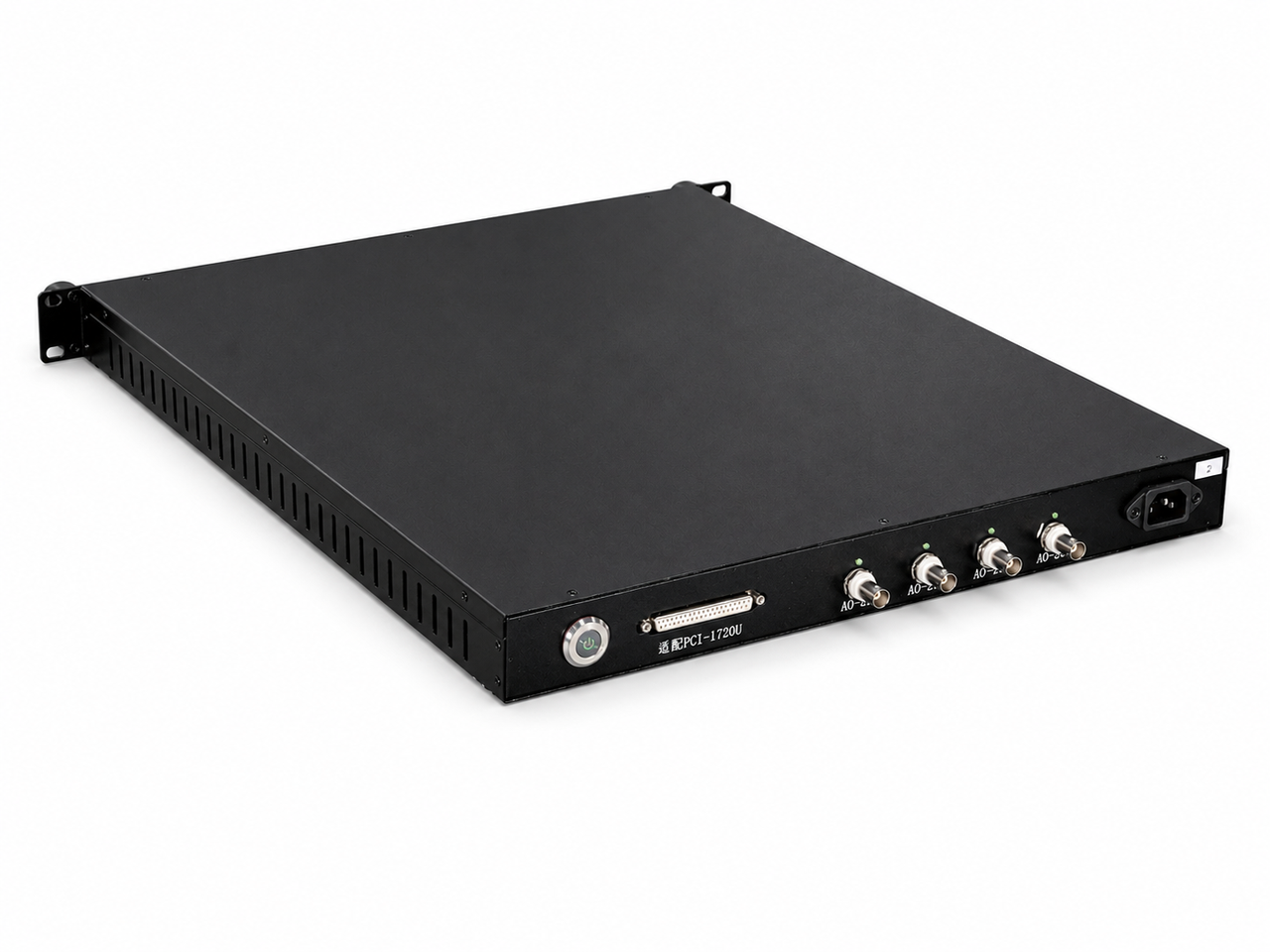
Signal Acquisition: All sensor signals covering voltage, current, temperature, strain and magnetic field are acquired by the EPIC Extreme Physics Integrated Tester, an self-developed and commercially available platform.
Quench Detection Readiness: The self-developed OFDR distributed strain & temperature sensing system enables continuous monitoring of internal strain and temperature distribution inside the magnet with millimeter-level spatial resolution, laying solid technical groundwork for quench detection of high-temperature superconducting magnet.
Control System: An AI-Native based control system acts as the control and monitoring interface for the entire test process.
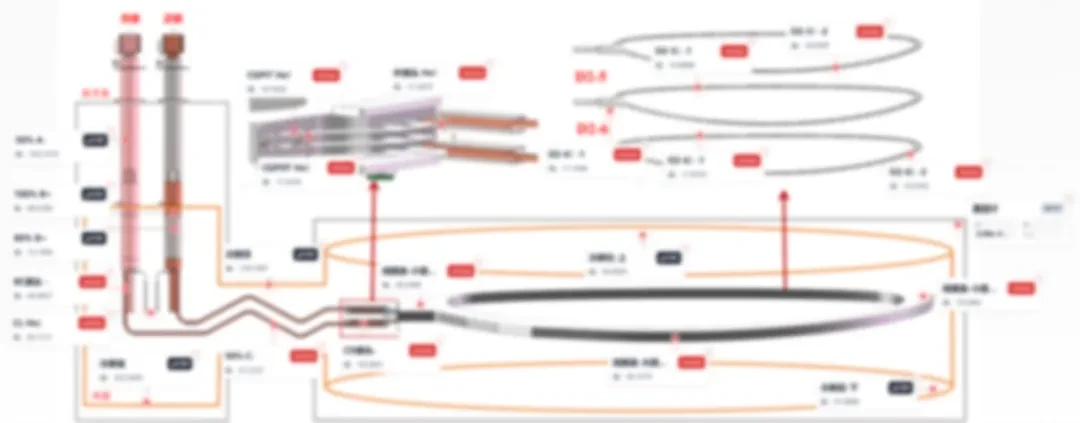
FIGURE: Interface of the Signal Monitoring System
Full-process Automation: Simulating Real Fusion Reactor Operation
In this test, cool-down and the entire experimental procedure were fully automated during the test, featuring stable cooling rates and controlled maximum temperature differences alongside reliable operation of all subsystems. The results validate the feasibility of the full technical chain spanning magnet design, manufacturing and low-temperature operation. Meanwhile, valuable engineering data and practical experience have been accumulated to support the mass production of full-scale engineering magnets and engineering development of core reactor components for fusion apparatus.
Advancing Toward Higher Current, Stronger Magnetic Field and Larger Dimension
The successful testing of this magnet marks another major milestone for Startorus Fusion in the engineering development of magnetic confinement fusion. Going forward, the company will keep upgrading its high-temperature superconducting magnet technology for higher current, stronger magnetic field and larger dimension. It will accelerate the transition of fusion energy from scientific verification to practical engineering application, contributing “Startorus strength” to the future of clean energy for humanity.